Mineral render is a cement- or lime-based thin-coat render, while silicate render uses potassium silicate ("water glass") as its binder. Both are prized for being highly breathable and mineral-based, making them excellent on older or vapour-sensitive walls. Expect to pay around £65–£100 per m² in the UK. They're a specialist, eco-friendly corner of the rendering market.
If silicone is the popular all-rounder, mineral and silicate renders are the breathability specialists — chosen when letting the wall dry matters most.
- Mineral render = cement/lime-based thin-coat; silicate render = bound with potassium silicate.
- Both are exceptionally breathable, making them ideal for older, solid or vapour-sensitive walls.
- Silicate chemically bonds to mineral substrates, giving excellent adhesion and durability.
- Mineral renders are often supplied as a base for painting with a breathable silicate paint.
- Typical UK cost £65–£100/m²; a specialist, more eco-friendly choice than plastic-based renders.
What are mineral and silicate renders?
Mineral and silicate renders are the breathability specialists of the render world. They're often discussed together because both are mineral-based and prized for letting walls dry freely, but they're not identical.
Mineral render is a thin-coat render whose binder is cement, lime, or a blend of the two, supplied as a dry powder and mixed with water on site. It's naturally vapour-permeable and tends to be supplied either pre-coloured or, very commonly, as a white/grey base that is then over-painted with a breathable mineral or silicate paint.
Silicate render uses potassium silicate — sometimes called "water glass" — as its binder, usually combined with mineral fillers. Its defining trick is that it doesn't just sit on the wall; it chemically reacts with the mineral substrate (a process called silicification) to form an extremely durable, bonded surface. Silicate renders and paints are exceptionally breathable, UV-stable and long-lasting, which is why they're popular on heritage-style and continental buildings.
Together, these systems are the go-to where breathability is the priority — older solid walls, lime-plastered buildings, or anywhere trapping moisture would cause problems.
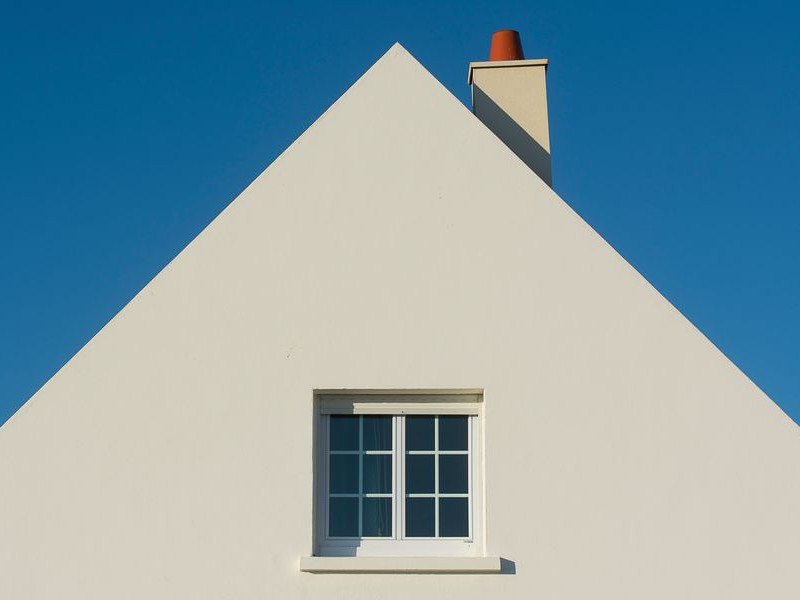
How mineral and silicate renders work
- Base coat — a mineral base coat is applied to the prepared, sound substrate.
- Reinforcing mesh — fibreglass mesh is embedded for crack control, as with other thin-coat systems.
- Mineral primer — a compatible mineral primer prepares the surface.
- Mineral or silicate topcoat — the breathable topcoat is applied; with silicate it chemically bonds to the substrate as it cures.
- Optional breathable paint — mineral renders are often finished with a breathable silicate or mineral paint for colour.
The whole philosophy here is vapour-openness. Where acrylic forms a plastic film and even silicone is a treated mineral surface, silicate renders are about as breathable as a decorative render gets, allowing the wall to manage moisture naturally. That makes them the safest choice for walls that must breathe — but it also means they offer slightly less active water-repellency than silicone, so they rely on sound detailing and the wall's own ability to dry.
How are they applied?
- Preparation — scaffolding, cleaning, repairs and beads; the substrate must be mineral and sound for silicate to bond.
- Base coat and mesh — applied and cured.
- Primer and topcoat — the mineral system is built up, with each layer chosen to be compatible and breathable.
- Painting (if specified) — a breathable silicate paint is applied for colour and additional protection.
Application is broadly similar to other thin-coat systems, but compatibility is critical: every layer, including any paint, must be vapour-open, or the breathability benefit is lost. As always, no application in frost or heavy rain.
Benefits of mineral and silicate render
- Exceptional breathability — the most vapour-open decorative renders, ideal for older and solid walls.
- Excellent adhesion (silicate) — chemically bonds to mineral substrates for a durable, long-lasting finish.
- UV-stable, fade-resistant colours — mineral pigments hold their colour well over decades.
- Naturally resists algae — the high alkalinity of mineral/silicate surfaces discourages organic growth.
- Eco-friendlier — mineral-based with low plastic content compared with acrylic systems.
- Non-combustible options — mineral renders are inherently fire-resistant, useful in some specifications.
- Long lifespan — 20–30+ years, with silicate finishes especially durable.
Got an older or breathable-spec wall? Get a free, no-obligation quote from one vetted mineral-render specialist.
Get a free quote →Drawbacks and things to consider
- Less water-repellent than silicone — they manage moisture by breathing rather than repelling, so detailing and a sound wall matter more.
- Often need painting — many mineral systems require a breathable topcoat paint, adding a step and future repaint cycles.
- Specialist product — fewer installers carry deep experience with them than with silicone, so finding the right specialist matters.
- Substrate-sensitive (silicate) — silicate needs a mineral substrate to bond to; it won't chemically key to a plastic-coated surface.
- Can cost more — premium mineral/silicate systems and the extra painting step can push the price up.
How much does mineral/silicate render cost in the UK?
Mineral and silicate renders typically cost £65–£100 per square metre applied, similar to silicone, with breathable paint adding to the total where required. Whole-property guides:
| Property | Typical cost |
|---|---|
| Per m² | £65–£100 |
| Mid-terrace house | £5,500–£9,500 |
| 3-bed semi-detached | £8,000–£13,000 |
| Detached house | £12,500–£18,000+ |
Budget figures only. Breathable paint, prep and access change the total — a survey-based quote is the only accurate figure.
What affects the price?
- Whether a breathable topcoat paint is needed — adds material and labour.
- Substrate condition and prep — older walls often need more repair.
- Scaffolding and access — height and elevation complexity.
- Product specification — premium silicate systems cost more than basic mineral renders.
- Detailing and wall area — features and openings add labour.
- Region — labour rates vary nationally.
Mineral/silicate vs other render types
| Mineral/Silicate | Silicone | Acrylic | Lime | |
|---|---|---|---|---|
| Breathable | Very high | High | Low | Very high |
| Water-repellent | Medium | High | High | Medium |
| Algae resistance | High | Medium | Medium | Medium |
| Often needs painting | Sometimes | No | No | Sometimes |
| Best for | Breathable specs | Most homes | Modern/EWI | Heritage |
| Relative cost | £££ | £££ | ££ | £££ |
Versus silicone, mineral/silicate breathes even better but repels water less actively, so silicone is the easier all-rounder while mineral systems win where breathability is paramount. Versus acrylic, they're the opposite end of the spectrum — far more vapour-open. For genuine period and listed buildings, lime render is often the most appropriate traditional choice, with silicate as a durable modern alternative.
Is mineral/silicate render right for your home?
- Older, solid-wall homes — where breathability protects the masonry.
- Lime-plastered or heritage-style buildings — compatible, vapour-open finishes.
- Owners prioritising eco credentials — mineral-based, low-plastic systems.
- Walls prone to algae — the alkaline surface naturally resists growth.
They're less necessary on dry, modern, cavity-wall homes where a silicone or acrylic system is simpler and may cost less. For listed buildings, always check conservation requirements first — a lime-based specification is sometimes mandated.
Maintenance, cleaning and lifespan
Mineral and silicate finishes are durable and naturally algae-resistant, typically lasting 20–30+ years, with silicate especially long-lived. Where a breathable paint has been used, expect to refresh it periodically. Cleaning, when needed, is gentle — a soft brush and a compatible cleaner, never a harsh jet wash. Because the system is vapour-open, keeping the wall able to dry (good guttering, no trapped moisture) is the main long-term care.
Common problems (and how to avoid them)
- Breathability lost to the wrong paint — using a non-breathable paint over a mineral render defeats the point. Always specify a compatible breathable coating.
- Poor bond (silicate) — silicate won't chemically key to plastic-coated or unsuitable substrates; the substrate must be mineral and sound.
- Water staining — because they're less water-repellent, poor detailing around sills and copings can show; good detailing prevents it.
- Cracking — managed with proper mesh reinforcement and movement detailing.
Breathable paint: why it matters with mineral render
A point that catches many homeowners out is that the breathability benefit of a mineral render can be completely undone by the wrong paint. Coat a beautifully vapour-open mineral render in a standard plastic-based masonry paint and you've effectively sealed the wall, trapping the very moisture the system was chosen to release. That's why mineral renders are finished with compatible breathable paints — usually silicate or mineral paints that bond into the surface and stay vapour-open. Silicate paints in particular are prized for their longevity and colour-fastness, fading far less than conventional paints over decades. If a mineral render is specified for your wall, make sure every coating that goes on top of it — now and at any future refresh — is breathable, or the whole rationale is lost.
Mineral and silicate render on period and character homes
Mineral and silicate systems sit in an interesting middle ground for older properties. A genuine listed or pre-1919 solid-wall building usually calls for traditional lime render, and conservation rules may require it. But there's a large stock of older — yet not listed — character homes where a durable, highly breathable modern finish is both appropriate and practical, and that's where silicate renders come into their own. They give the vapour-openness an old wall needs to stay healthy, the durability and low maintenance of a modern system, and a fade-resistant finish that suits traditional colour palettes. For owners of such homes who find pure lime impractical but want to avoid the damp risks of a sealing render like acrylic, a mineral or silicate system is often the sensible compromise — always confirmed by a survey of the wall's construction and moisture behaviour.
How to choose the right mineral-render installer
These are specialist systems, so you want an installer with genuine mineral/silicate experience, not someone applying it for the first time. They should understand vapour-open build-ups, specify compatible breathable paints, and survey the substrate (especially for silicate bonding). RenderSmart's SmartMatch™ weighs experience, verified reviews and reputation to pair you with the one best-fit local specialist for breathable render — the people who do this every week, not once a year.
Frequently asked questions
What is the difference between mineral and silicate render?
Why choose silicate render?
Is mineral render more breathable than silicone?
Does mineral render need painting?
How much does silicate render cost?
Is silicate render good for old houses?
Does silicate render resist algae?
How long does mineral or silicate render last?
Can silicate render be applied over any wall?
Is mineral render eco-friendly?
Is silicate render water-repellent?
Mineral render vs lime render — which for a period home?
Can you clean mineral render?
Why is mineral render sometimes more expensive?
Do I need planning permission to render my house?
Does rendering need building regulations approval?
Get a free mineral render quote
Tell us about your property and SmartMatch™ pairs you with one vetted local mineral/silicate render specialist — for a free, no-obligation quote and survey.
Get a free quote →