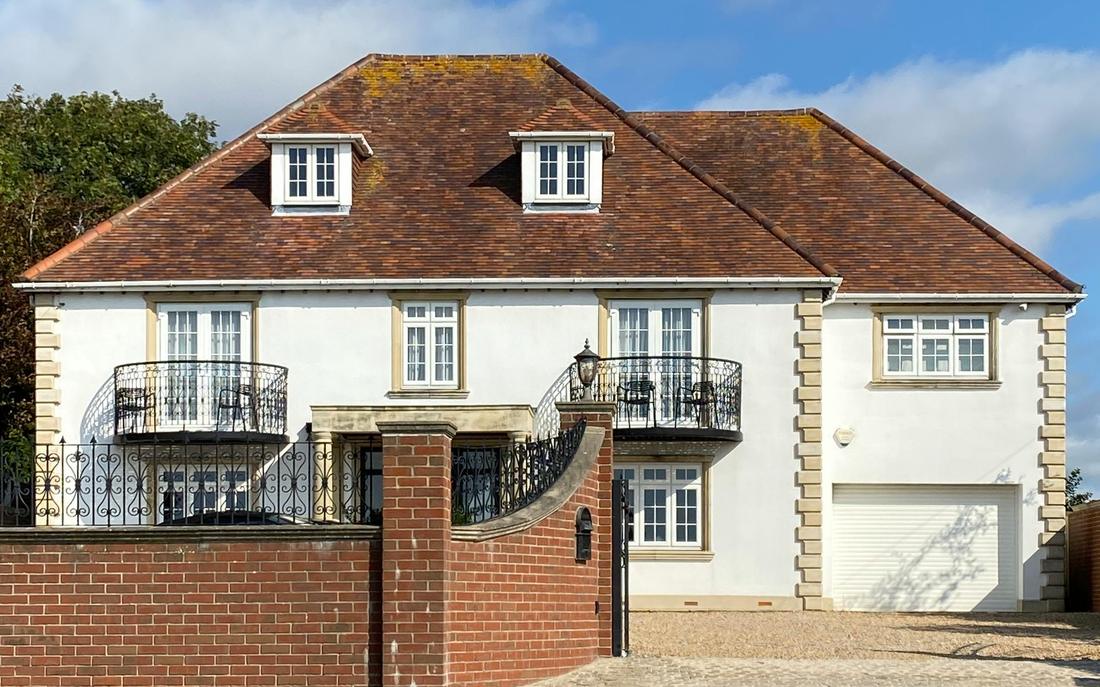
How much does rendering cost in Bristol?
As a rough guide, expect roughly £45–£90 per square metre, so a typical semi often lands in the low thousands once scaffolding and prep are included. The system, the condition of the existing wall and access all move the figure, which is why your matched specialist gives a free, site-specific quote rather than a number over the phone. (Replace this range with your verified local data before launch.)
Which render is best for a Victorian terrace in Bristol?
Most of Bristol's terraces in Bedminster, Easton and Totterdown are solid-walled and need to breathe, so a breathable system works best — lime render on the most traditional builds, or a modern silicone render where the wall allows. Hard cement render is usually the wrong choice here because it traps moisture and cracks.
Can I render over old pebbledash, or does it need removing?
It depends on condition. Sound pebbledash can sometimes be dubbed out and rendered over, but if it's blown, cracked or hollow — common on Bristol's interwar semis around Horfield and Knowle — removing it first is the durable option. A specialist will tap-test it and advise honestly rather than render over a failing surface.
Do I need planning permission to render my house in Bristol?
For most homes rendering is permitted development and needs no permission. But in Bristol's conservation areas, or on a listed building, you may need consent and a sympathetic, often lime-based finish. A local specialist who knows the city's planning rules will flag this before any work begins.
What's the best render for a damp solid wall?
A breathable system that lets the wall release moisture — typically lime or a quality silicone render — rather than a sealing cement coat that traps damp inside. The first step is always finding why the wall is damp; rendering over the symptom rarely fixes it, and a good specialist diagnoses before quoting.
How long does rendering take on a typical Bristol home?
A standard semi is often a week to ten days of on-site work, weather permitting, plus drying time between coats. Larger detached homes, heavy prep, or lime systems (which cure more slowly) take longer. Your specialist will give a realistic schedule with the quote.
Do you cover commercial or larger buildings in Bristol?
Yes — alongside houses we match commercial and larger properties (flats, shops, units and offices) with specialists set up for bigger jobs and the right access. Just note the property type on the form and SmartMatch™ routes it to a contractor equipped for it.
Silicone or K-Rend — which is better for Bristol's weather?
Both are silicone-based and cope well with Bristol's wind-driven rain. K-Rend is a particular branded scraped-texture finish, while 'silicone render' covers thin-coat self-coloured systems more broadly. On exposed, west-facing elevations a water-repellent silicone system is a sound choice — your specialist will recommend based on your wall and the look you want.
Will my enquiry really only go to one renderer?
Yes. SmartMatch™ sends your details to a single best-fit local specialist, weighed on experience and verified reviews — not blasted to a directory of firms who all phone at once. One enquiry, one trusted pro.
How quickly will a Bristol specialist get in touch?
Usually within one working day. Once you've sent the form, SmartMatch™ matches your job to the right local renderer and they contact you directly to arrange a free quote or site visit.
Which areas around Bristol do you cover?
The whole BS postcode area and the surrounding South West — including Bath, Portishead, Clevedon, Keynsham and the villages between. If you're just outside, enquire anyway and we'll tell you straight away whether we can match you.
Are your render specialists vetted and insured?
Yes — every specialist we match is checked for relevant experience, insurance and verified customer reviews before they receive a single enquiry. If a job ever falls short we want to know, because our reputation rides on the match.
Should I repair my render or have the whole wall redone?
It comes down to how much has failed. Isolated cracks or a single blown patch can often be cut out and made good; but where render has debonded across an elevation, a full re-render usually lasts longer and looks right. A site survey is the only way to call it honestly — and a good Bristol specialist will tell you if a repair will do the job rather than upselling a full strip-off.
How do I keep rendered walls clean in Bristol?
Bristol sits on hilly, exposed ground that catches wind-driven rain off the Severn Estuary and the Atlantic to the west. South- and west-facing walls take the worst of it, so breathable, water-shedding systems such as silicone and lime render tend to outlast older cement renders that trap moisture and crack. On shaded or north-facing elevations you may get green algae over time — it's cosmetic and lifts with a soft wash or a proper render cleaner; avoid jet-washing, which can force water behind the finish. A through-coloured silicone render stays cleaner for longer than painted cement in Bristol's conditions.