Rendering can help a home’s value and saleability when it solves a visible problem — tired pebbledash, mismatched or weathered brick, cracked and peeling painted render — and is done to a high standard in a style that suits the street. There’s no reliable rule that turns a rendering bill into a fixed increase in price, and a render that’s poorly applied, out of keeping with neighbouring houses or hiding attractive brick can do the opposite. As an indicative guide, rendering three walls typically costs around £8,000–£12,000, and a single elevation such as the front around £3,500–£5,000. The safest reason to render is that it fixes a problem you have, with any effect on value as a bonus.
- There’s no reliable formula for how much value rendering adds.
- It’s most likely to help when it fixes a visible problem with the house.
- Quality matters: poor or cracked render can put buyers off.
- Rendering over attractive brick, or against the grain of a street, can hurt appeal.
- Kerb appeal and fewer surveyor concerns can help a house sell, even without a price uplift.
- Render to solve a problem you have; treat any value gain as a bonus.
The honest answer
You’ll find plenty of claims online that rendering adds a particular percentage or sum to a home’s value. Treat them with real caution. House prices depend on location, the property, the wider market and buyers’ tastes, and there’s no reliable way to isolate the effect of a render job from everything else. Two identical renders on two different streets can have very different effects.
What can be said with confidence is simpler. Buyers judge a house partly on first impressions, and the exterior is the first thing they see. A house with a crisp, well-maintained exterior generally makes a better impression than one with tired, cracked or patchy walls. Surveyors also note the condition of external walls, and problems they flag can affect negotiations. Rendering that addresses those issues can therefore help a house sell, and may help it achieve a better price — but it isn’t guaranteed to return its cost.
When rendering is most likely to help
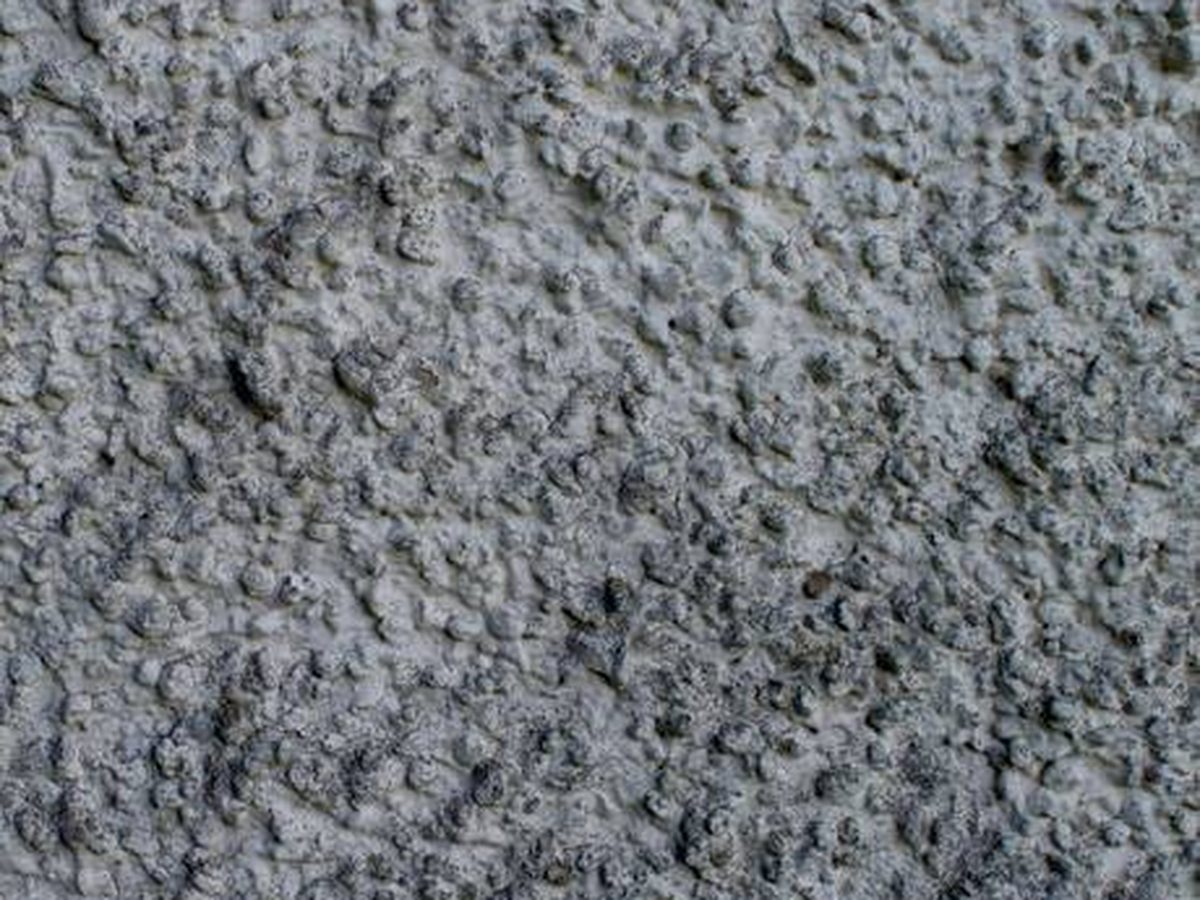
Tired or failing pebbledash. Pebbledash is widely seen as dated, and cracked or blown dash can raise surveyors’ concerns. Replacing it with a clean, modern render often changes how a house is perceived.
Mismatched or patched brickwork. Extensions in different brick, filled-in openings and old repairs can make a house look disjointed. Render unifies it.
Cracked, peeling painted render. A painted cement render in poor condition looks neglected and suggests maintenance costs to come. A through-coloured render presents a low-maintenance exterior.
A street where render is common. If neighbouring houses are rendered, or the street has a mix of finishes, a well-chosen render fits in and may lift the house to match the best on the street.
Weather problems. If a wall lets in driving rain or has damp linked to failing render, putting it right removes an issue a buyer’s surveyor would likely flag.
When rendering may not help — or may hurt
Attractive brick. Covering good-quality, attractive brickwork — particularly on period houses — can remove character that buyers value. On a row of handsome Victorian brick terraces, a rendered house can stand out for the wrong reasons.
Poor workmanship. Render that’s cracked, patchy, stained or badly detailed can look worse than what it replaced, and may raise questions about what’s underneath.
The wrong render for the wall. Dense cement render on an old solid-walled house can cause damp, which a surveyor may identify. A well-informed buyer may see that as a problem rather than an improvement.
Out of keeping with the area. On streets with a strong uniform character, render can look out of place. In a conservation area, National Park or National Landscape, rendering needs planning permission, and an Article 4 direction can remove permitted development rights elsewhere too. Our guide to planning permission for rendering explains the rules; always confirm with your council.
Very bold choices. Strong colours or unusual finishes may appeal to you but narrow the pool of buyers. Neutral, well-executed finishes tend to have the broadest appeal.
Kerb appeal: the clearest benefit
Whatever its effect on price, rendering’s clearest benefit is kerb appeal. A clean, crisp exterior makes a strong first impression on viewers and in listing photographs, which are often where a buyer first sees a house. A front elevation that photographs well can help a listing hold attention against similar houses nearby.
It also shapes how buyers feel walking up to the front door. A fresh, well-finished exterior suggests a house that has been looked after inside too, while cracked render and peeling paint invite questions about what else might need doing.
That matters because saleability isn’t only about price. A house that attracts more interest, sells more quickly and faces fewer questions from surveyors can be worth a great deal to a seller, even if the final price isn’t dramatically different.

How surveyors and lenders view render
Buyers’ surveyors look closely at external walls. They’re likely to note cracking, hollow-sounding areas, damp staining, render taken down to ground level, and render on solid walls that may be trapping moisture. Any of these can lead to further investigation, renegotiation or, occasionally, lender caution.
A recent, well-executed render with paperwork — a specification, invoice and guarantee — can help reassure a buyer and their surveyor. A cracked or poorly detailed render can do the opposite. If you’re rendering with a sale in mind, keep every document, and make sure the job is done in a way a surveyor would recognise as sound: the right system for the wall, proper beads, the render stopping above ground level, and sills that throw water clear.
Some non-traditional house types, such as certain concrete or prefabricated constructions, have specific lender requirements. If your house is one of these, take advice before any external work.
How it varies by house type
Post-war semis and terraces with pebbledash. Often the clearest case for rendering. Replacing tired dash with a clean modern finish can transform how the house is perceived, and on streets where neighbours have already done the same, it helps the house keep pace.
Modern estate homes. Many are already part-rendered. Refreshing a tired or stained render, or rendering a mismatched extension, can lift the house, but a full re-render of a sound modern home is rarely needed for resale.
Bungalows. A well-rendered bungalow can look fresh and contemporary, and a through-coloured render appeals to buyers who want low maintenance. See our bungalow rendering cost guide.
Detached homes. Rendering can give a larger house a cohesive, high-quality look, especially where extensions have been added over time.
Looking at your house through a buyer’s eyes
A useful exercise is to look at your house the way a buyer would. Stand across the road and ask: does the exterior look cared for? Are there obvious cracks, stains or patches? Does it look dated compared with the best houses on the street? Would the listing photograph make someone want to click? Then look closer, as a surveyor would: are there hollow areas, damp marks inside, render running into the ground, sills that don’t throw water clear?
If the honest answer is that the exterior lets the house down, rendering — or repairing and cleaning an existing render — is likely to help it sell. If the house already looks good from the street and the walls are sound, a full render is more about your own taste than about value, and that’s a perfectly good reason in its own right, as long as you go in with realistic expectations about the return.
Why your street matters as much as your house
Buyers rarely judge a house in isolation. They look at it alongside its neighbours, and they compare it with similar houses on the market nearby. That makes the character of your street one of the biggest factors in whether rendering helps.
On semis and terraces, how your render meets your neighbour’s wall also matters. If your neighbour is planning to render too, doing both together can give a cohesive result that benefits both houses.
Spend ten minutes walking your street and nearby roads before you decide, noting which houses look best and why.
Weighing the cost against the value
Rendering is priced mainly by how many walls are done. As an indicative guide, one wall typically costs around indicative £3,500–£5,000, two walls £5,000–£8,000, three walls £8,000–£12,000, and four or more £12,000–£17,000 or more. A mid-terrace usually has two walls to render, a semi three and a detached house four, though extensions and garages change the count. If old pebbledash or render has to be stripped first, the rate is typically around indicative £100–£170 per m², so budget accordingly. Our house rendering cost guide sets out the full picture.
Whether that’s recovered in a sale depends on all the factors above. If you’re selling within a year or two and the house doesn’t have a problem render would fix, it’s unlikely to be a sound investment purely for resale. If you’re staying for years, you’ll enjoy the benefits — a better-looking, lower-maintenance, weather-tight house — long before you sell, and the resale question matters less.
The value you get while you live there
It’s easy to focus on resale and forget the value you get in the meantime. A good render can make a house more pleasant to come home to, end the cycle of repainting a cement render, keep driving rain out of an exposed wall, and, on solid walls with the right breathable system, help a damp wall dry out. For many homeowners, those are the real reasons to render, and they have value regardless of what happens when the house is eventually sold.
Through-coloured renders also reduce future maintenance costs, because there’s no repainting. That’s a genuine saving over the years, and one a buyer may appreciate too.
If you’re selling soon
If you’re planning to sell within the next year or two, think carefully before a full render. Talk to one or two local estate agents first. They know what buyers in your area expect, what similar houses with and without render have sold for, and whether a refreshed exterior would make a meaningful difference to interest or price. Their view is far more useful than any national rule of thumb, and you can usually ask for it during a valuation visit.
Questions worth putting to an agent at that visit: Have rendered houses on this street or nearby sold more quickly than unrendered ones? Would the current walls put off the kind of buyer this house attracts? Is there anything on the exterior a buyer’s surveyor is likely to flag? Would a clean and a few repairs be enough for the listing photos? If two agents independently say the exterior is holding the house back, that is a far stronger signal than a general claim about render and value. If they say it makes little difference, you have saved yourself an outlay you might not recover.
Often, smaller jobs give a better return before a sale: cleaning an existing render, repairing obvious cracks, clearing gutters, tidying sills and fixing anything a surveyor would flag. If the render is failing badly, though, putting it right may be necessary to avoid problems in the sale. Our guide on whether to repair or replace render helps you decide.
Choosing a render with broad appeal
If resale is part of your thinking, a few choices help. Colour: soft whites, creams, stone and light greys suit most houses and most buyers; darker greys can look superb on modern homes but are more of a statement. Finish: a smooth or lightly textured finish suits most modern houses. System: a through-coloured render signals low maintenance. Detailing: crisp corners, neat stop lines and well-finished reveals make a render look high quality.
Look at the best-presented houses on your street and nearby, and consider how your house will sit among them. Our silicone render colours guide has ideas.
What makes a render look like a quality job
If you render with value in mind, the details that make a job look professional matter as much as the colour. Buyers may not know the technical terms, but they notice the effect.
Straight, crisp corners and edges, formed with beads rather than rounded by hand. Neat reveals around windows and doors, with clean lines against the frames. A clean base line where the render stops on a bead above ground or paving, rather than running into the soil. Sills that project properly, so there are no streaks of staining underneath. Even colour and texture across each wall, with no visible joins or patches. Tidy junctions with neighbouring houses, porches and extensions.
Equally, a few things signal a poor job: hairline cracks radiating from window corners, patchy colour, render meeting the ground, and messy edges. Those are exactly the things a buyer’s surveyor is likely to point out. Choosing an experienced specialist and insisting on a full, properly detailed system is the best way to make sure the money you spend shows. Our guide on how to choose a rendering contractor covers the checks.
Timing a render around a sale
If you do decide to render before selling, allow enough time. A whole-house render commonly takes a few weeks, longer if old render has to come off, and the weather can add delays. Listing photographs taken with scaffolding up, or just after a rushed job, won’t show the house at its best. Plan for the work to be finished and the scaffolding down well before photos and viewings, ideally in the drier months.
Does rendering just the front help?
Rendering only the front elevation — the one buyers see first — is a common way to improve kerb appeal for less outlay. Done well, with the render stopping at a corner or a natural feature, it can look entirely deliberate. Done badly, with render ending part-way along a wall, it can look unfinished. As an indicative guide, a front elevation typically costs around indicative £3,500–£5,000, in line with the one-wall band. Our cost to render the front of a house guide covers the details.
Weighing up whether to render? SmartMatch™ pairs you with one vetted local specialist for a free survey and an honest view.
Get a free quote →Period homes: a special case
On period homes, the relationship between render and value is particularly sensitive. Original features and materials often matter to buyers of older houses, and attractive brick or stone is part of that. On the other hand, many period houses were originally rendered in lime, and replacing a later cement render with a breathable lime render can be a genuine improvement that protects the building.
The key is appropriateness. Restoring a historically rendered house with lime, or replacing damaging cement render, is likely to be seen positively by informed buyers and surveyors. Rendering over handsome original brickwork usually isn’t. See our lime vs cement render guide.

Does rendering improve energy performance?
A standard render adds little insulation on its own, so it’s unlikely to change a home’s energy performance much. External wall insulation with a render finish is different: it can significantly improve how warm a house is, which may be reflected in its Energy Performance Certificate. As an indicative guide, insulated render systems typically cost around indicative £90–£150 per m², excluding scaffolding and removal of old render. If energy efficiency is part of your thinking, ask for it to be quoted alongside a standard render; our guide on insulating when re-rendering compares the two.
There’s also a regulatory angle. In England, stripping a wall back and re-rendering more than half of it can mean the wall has to be thermally upgraded where that’s technically and economically feasible, under Part L of the Building Regulations. Work that should have been notified to building control, but wasn’t, can raise questions when you sell. Our guide to building regulations for re-rendering explains when it applies; confirm with building control before work starts.
Keep the paperwork
Whatever you decide, if you render, keep the quote, specification, invoices, guarantee and details of the system and colour, plus any planning permission or building control completion certificate. When you sell, the property information form you complete for the buyer’s solicitor asks about building works and the permissions they needed, so having these to hand saves delay. They also help reassure surveyors and show that the work was done properly. A transferable guarantee can be a genuine selling point. Our render guarantees guide explains what to look for.
When rendering might not be the right move
Rendering may not be worth it if your brick is sound and attractive, if you’re selling very soon and the house has no exterior problems, if the street has a strong brick character or conservation status, or if there’s an unresolved damp or structural issue that needs fixing first. In some cases, re-pointing is the better investment — see our guide on whether to render or re-point. Some homeowners also compare masonry wall coatings as a way to refresh an existing exterior, a different product worth weighing on its merits.
If you’d like an honest view of your house, SmartMatch™ weighs render-type experience, verified reviews, online reputation, insurance and accreditation to introduce you to one vetted local specialist for a free, no-obligation survey and quote. For the wider picture on systems and finishes, start with our exterior rendering guide, and if you’re still deciding whether to go ahead at all, our guide on is rendering worth it weighs the broader pros and cons.
Frequently asked questions
Does rendering add value to a house?
How much value does rendering add?
Does rendering make a house easier to sell?
Can rendering reduce a house's value?
Should I render my house before selling?
Does pebbledash reduce house value?
What render colour is best for resale?
Do surveyors check render?
Does rendering improve a house's EPC?
Is rendering worth it if I'm staying long term?
Get an honest view of your house
Tell us about your property and SmartMatch™ pairs you with one vetted local render specialist for a free, no-obligation survey and written quote.
Get a free quote →